Garage Door Accessories for Better Lighting and Visibility

A garage can be one of the most poorly lit areas around a home, even when the rest of the property is well planned. I see it often: bright kitchen, clean entryway, well-placed landscape lights, then a garage that feels dim, shadowy, and awkward to use after sunset. That matters more than many homeowners expect. Lighting around the garage affects safety, daily convenience, security, and even how easy it is to maintain the door itself.
Good visibility is not only about seeing where you parked. It helps when backing in during rain, unloading groceries at dusk, checking whether the bottom seal is wearing out, or noticing that a roller has started to wobble. The right Garage Door Accessories can make a real difference, especially when they are chosen as part of a system rather than as isolated add-ons.
The best setups usually combine three things: better Garage Door Accessories illumination at the door, better guidance for movement, and fewer blind spots inside the garage. When those pieces work Garage Door Accessories together, the space becomes easier to use and easier to trust.
Why garage lighting around the door is often worse than it should be
Many garages rely on a single ceiling fixture or the bulb built into the opener. That arrangement leaves shadows exactly where people need light most, at the threshold, along the side tracks, near stored tools, and at the rear corners where bicycles, bins, and lawn equipment tend to collect. A standard opener light can help for a minute or two after the door cycles, but it is rarely enough to support regular use.
Another common issue is contrast. Step from a dark driveway into a garage with one harsh overhead light and your eyes need a moment to adjust. During that moment, cords, steps, low shelves, and the edge of a workbench become easier to miss. I have also seen garages where the outside coach lights looked attractive from the street but threw almost no usable light on the driveway apron or on the keypad mounted beside the door.
Visibility problems are not always caused by a lack of brightness. Sometimes the problem is poor placement. A bright fixture mounted too high and too far back can leave the area near the weather seal in shadow. A motion light aimed badly can create glare on the windshield. Even a clean concrete floor can reflect light in ways that make depth harder to judge when parking.
That is why accessory choices matter. They let you fine-tune where the light lands and how the garage behaves after dark.
The accessories that improve visibility most
Not every accessory marketed for garages is worth buying. Some are nice to have, some solve a very specific problem, and a few make a clear improvement for most households. The most effective options tend to fall into practical categories rather than decorative ones.
LED light panels and opener-compatible lighting modules
If your garage door opener supports plug-in or integrated lighting accessories, this is often the easiest place to start. Modern LED modules cast broader, cleaner light than the old single-bulb opener housings many people still use. In a one-car garage, that upgrade alone can change the feel of the whole space. In a two-car garage, it usually needs support from side or rear fixtures, but it still gives the center of the room a stronger baseline.
The real advantage of opener-linked lighting is timing. The lights switch on exactly when the door operates, which means the space is lit before you step out of the car. That sounds minor until you live with it for a while. It reduces fumbling and makes late arrivals less irritating.
When selecting these modules, color temperature matters. Light in the 4000K to 5000K range tends to feel crisp and clear for garages. Warmer light can look pleasant near the house exterior, but inside a garage it sometimes makes details blur together, especially if walls and shelving are beige or gray.
Motion-sensor lights at the garage exterior
Exterior motion lights are one of the most useful Garage Door Accessories for homes where the driveway is long, side access is dark, or family members arrive at uneven hours. They work best when mounted to cover approach zones rather than simply blasting the area above the door.
A fixture centered over the garage can work well for general illumination, but side-mounted units often produce better depth and fewer hard shadows. On detached garages, I often prefer one light near the main door opening and another toward the pedestrian door or side path. That arrangement reduces dead corners and makes it easier to see someone or something moving along the edge of the building.
Sensitivity settings deserve attention. Homeowners frequently set them too high and then wonder why the lights trigger every time a branch moves. A slightly narrower detection zone usually performs better. So does a careful aim. Flooding a neighbor's window or the street with glare is not useful lighting.
Illuminated keypads and smart control panels
A keypad is a simple accessory, but it becomes much more valuable when it is backlit and easy to read in poor light. Cheap keypads can have dim, uneven illumination or small buttons that disappear when wet. Better models use larger numbers and more consistent backlighting, which matters when someone is entering a code with cold hands or carrying bags.
Inside the garage, wall control panels with light buttons, lock features, and motion activation can also improve visibility. Some smart panels trigger the opener lights automatically when movement is detected inside the garage. That helps in households where the garage serves as a daily entry point and people are constantly passing through with laundry baskets, backpacks, or sports gear.
It is a small quality-of-life upgrade, but one that gets used every day.
Reflective safety markers and parking guides
Not every visibility upgrade needs to emit light. Reflective markers, laser parking guides, and simple alignment aids can make parking easier in low light, especially in narrow garages where inches matter.
I have seen reflective tape placed along a curb edge, on low shelving corners, and near wall projections that a side mirror might otherwise miss. The best use of reflective material is restrained and purposeful. A little in the right spot helps more than a lot scattered everywhere.
Laser parking guides are popular because they are easy to understand. A small beam lands on the dash or hood when the vehicle reaches the right position. They can be effective, although they depend on stable mounting and a driver who uses the same parking rhythm each time. Hanging tennis balls still work, but most homeowners prefer something that looks more intentional.
Window inserts and translucent top sections
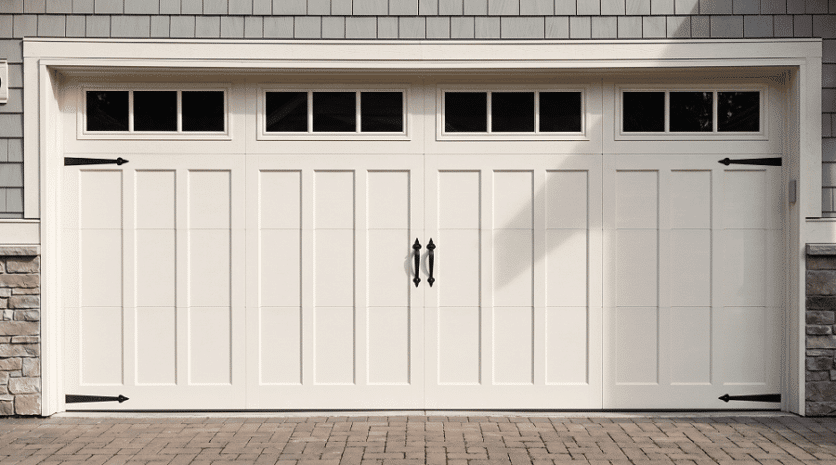
If the garage door itself is the problem, accessories attached around it will only go so far. One of the most effective long-term upgrades is adding window inserts or selecting a door with glazed top panels. Natural daylight transforms a garage in a way no electric light fully replicates.
This option works particularly well in garages that serve as workshops, home gyms, or hobby spaces during the day. Frosted or obscure glass can preserve privacy while still allowing useful light in. Clear glass looks sharp on some homes, but it also reveals storage clutter and may create security concerns if valuable tools are visible.
In practice, window placement matters as much as window type. Higher panels maintain privacy better and spread light more evenly. They also reduce the risk of glare at eye level when the sun is low.
Inside the garage, visibility is a system, not a single fixture
A garage with one bright opener light and no supporting illumination tends to have islands of clarity surrounded by shadow. You can avoid that by thinking in layers.
The first layer is ambient light, usually from overhead LED fixtures or opener-based lighting. This sets the general brightness level. The second layer is task light, which covers a workbench, utility sink, freezer area, or side storage wall. The third layer is transition light, which helps you move safely between the car, the interior door, and the garage opening.
When people skip that third layer, the garage still feels inconvenient even if the measured brightness looks acceptable. You notice it when stepping over a threshold, reaching for the wall button, or opening a side cabinet after dark.
I have worked in garages where a pair of slim LED strips mounted along the side tracks made more practical difference than a much brighter central fixture. They softened the shadows cast by the vehicle and helped illuminate the exact zones where feet, hands, and stored items tend to interact. That kind of improvement is rarely flashy, but it is immediately noticeable in daily use.
Choosing accessories for the way the garage is actually used
A family garage that handles school drop-offs, groceries, bikes, and recycling needs something different from a collector's garage used mainly on weekends. The right accessory mix depends on traffic, layout, and habits.
If the garage is your main entrance, prioritize immediate light-on response, a readable keypad, and safe illumination near the step into the house. If the garage doubles as a workspace, focus more on color rendering and shadow control. If older adults use the space regularly, even lighting and clearly visible thresholds deserve extra attention.
The following accessory types usually deliver the best return for common garage situations:
- Opener-linked LED lighting for automatic overhead illumination
- Motion-sensor exterior lights for driveway and entry visibility
- Backlit keypads and upgraded wall controls for easier access
- Reflective markers or parking aids for low-light vehicle alignment
- Window inserts or glazed top panels for improved daytime light
That is not a one-size-fits-all shopping list. It is a solid starting point. Most homes benefit from two or three of those upgrades working together rather than one expensive product trying to solve every problem alone.
What to watch for before buying
Brightness is easy to compare on paper. Real performance is not. I have seen low-cost fixtures that advertised impressive lumen numbers but produced unpleasant glare, weak edge coverage, or unreliable motion detection after a single season. Garage environments are harder on equipment than many people realize. Temperature swings, dust, vibration from the opener, and occasional moisture all affect lifespan.
Compatibility is another issue. Some opener brands support accessory lights and smart controls more gracefully than others. Before buying a lighting add-on, confirm not only that it fits the opener but that it behaves correctly with timers, motion activation, and safety sensors. Interference can happen, especially with poorly shielded LED products.
Placement can also defeat a good product. A bright security light mounted directly above eye level may wash the driveway with light while making it harder to see beyond the garage. Similarly, an interior fixture positioned behind the raised door can lose much of its effectiveness when the door is open.
One practical habit saves trouble: test lighting at the time of day when visibility is worst. Midday impressions are misleading. Walk the driveway at dusk, open the garage from inside the car, stand beside the keypad, and look into the corners. Those short tests reveal more than a specification sheet.
Smart accessories, when they help and when they do not
Smart garage controls and connected lighting can be excellent, but only when the basics are already sound. App control does not compensate for poor fixture placement. Voice control does not matter much if the driveway is still dark and the keypad still disappears at night.
Where smart features do help is coordination. You can have the garage lights turn on when the door opens, trigger a side-yard fixture at the same time, or receive a notification if the door remains open after dark. For households with teenagers, delivery drivers, or frequent visitors, that added visibility and awareness can be genuinely useful.
The downside is complexity. More connected accessories mean more setup, more chances for compatibility issues, and more maintenance when routers change or power interruptions occur. For some homeowners, a dependable motion floodlight and a bright keypad will deliver more value than a fully connected system with features they rarely use.
A good rule is simple: automate what you repeat every day, not what you use twice a month.
Installation decisions that affect results
People often focus on product choice and overlook installation quality. That is a mistake. A well-installed midrange light usually outperforms a premium light installed carelessly.
Sensor angle matters. So does mounting height. So does the direction a fixture faces relative to the garage door panels, nearby walls, and parked vehicles. Glossy white doors reflect light differently than dark carriage-style doors. A black SUV absorbs light that a silver sedan would bounce back into the space. Those details change what the garage actually feels like at night.
Wiring should also be approached carefully. Battery fixtures have improved and can make sense in a detached or lightly used garage, but hardwired accessories tend to be more reliable for primary lighting. Recharge frequency, cold-weather battery performance, and delayed response times can become irritating faster than expected.
For homeowners doing their own upgrades, there are a few checks worth making before the final mounting screws go in:
- Open the garage door fully and confirm the accessory is not blocked
- Sit in the driver's seat at night and check for glare on mirrors and windshield
- Test the keypad and wall control with wet hands or gloves
- Walk the full path from driveway to interior door and watch for dark patches
- Confirm motion sensors trigger where you want them, not where passing traffic does
That short trial catches most of the problems that lead to buyer's remorse.
A note on aesthetics and curb appeal
Lighting around the garage has a visual job too. It affects how the front of the house reads from the street. Brightness that feels practical can still look harsh if the fixtures are oversized, mismatched, or too cool in color compared with the rest of the exterior lighting.
A good exterior setup usually balances function and restraint. The garage area should be visible and welcoming, not overlit like a service station. If the front porch uses warm sconces, an icy-blue floodlight above the garage can look disconnected. On the other hand, making everything warm and decorative may leave the driveway underlit.
This is one reason layered systems work well. A softer exterior fixture can carry the visual design while a motion-activated flood or opener-tied light handles the practical side only when needed.
Window inserts also influence curb appeal. On some homes they elevate the entire facade. On others, especially when the proportions are wrong, they can look like an afterthought. Matching panel style, frame color, and glass type to the architecture matters more than many product catalogs admit.
When better visibility also helps maintenance and safety
Homeowners usually buy these accessories for convenience, but the maintenance benefit is real. Better light makes it easier to spot frayed weatherstripping, loose hinge screws, track debris, and small rust spots before they become expensive repairs. If you can actually see the lower corners of the door and the track brackets, routine checks become faster and more likely to happen.
Safety improves as well. Good lighting reduces trips, makes tools easier to put away properly, and helps children and guests understand where to walk. It also lowers the chance of scraping a bumper, clipping a bicycle tire, or backing over something left near the threshold.
In homes where the garage is heavily used, those small avoided problems add up. The best Garage Door Accessories are often the ones that disappear into daily life because they remove friction so effectively.
Building a better setup without overdoing it
A strong garage lighting plan does not need to be elaborate. In many homes, the sweet spot is a brighter opener-linked LED light, one thoughtfully aimed motion fixture outside, a quality illuminated keypad, and either a parking guide or a few well-placed reflective markers. That combination solves the majority of visibility problems without turning the garage into a gadget project.
For garages that pull double duty as workspaces or home entries, it makes sense to go further with side lighting, better wall controls, or door windows. For lightly used spaces, simpler upgrades may be enough.
What matters most is choosing accessories based on real behavior. How do you arrive home, where do shadows fall, who uses the space, and what tends to go wrong after dark? Answer those questions honestly and the right accessories become obvious.
A garage should not feel like a dim utility box attached to the house. With the right lighting and visibility upgrades, it becomes safer, easier to use, and far more polished every single day.
Select Garage Doors
11479 Pine Dr, Parker, CO 80134, United States
+1 303-228-0018
FAQ About Garage Door Accessories
What are garage door parts called?
Common door components include panels, hinges, rollers, tracks, springs, cables, and weather seals. The opener is a separate operating system, with accessories such as remotes, keypads, and compatible smart controls. Identify the door and opener model before choosing a part; springs, cables, and other loaded components should be assessed and serviced by a trained garage door technician.
What garage door supplies do I need?
The right supplies depend on the problem or upgrade you want to address. Common accessories include replacement remotes, wireless keypads, weather seals, decorative handles and hinges, and compatible smart controls. Check model compatibility and the manufacturer's instructions before buying. A technician can inspect the system and recommend suitable accessories without replacing otherwise serviceable equipment.
Where can I find garage door accessories in Parker?
Select Garage Doors supplies and installs garage door accessories for Parker homeowners. Contact the company with your opener brand and model, door details, and the upgrade you want so it can confirm compatibility, availability, pricing, and installation requirements. Confirm collection or appointment arrangements before visiting.